
Key Highlights
Here’s a brief summary of the following article:
- Isolation in Online Gaming: Many gamers feel isolated despite hours of multiplayer play. It’s not just about playing—it’s about finding the right games and environments to form meaningful connections.
- Psychological Factors: Shared goals, low-pressure communication, and repeated interactions in games like Final Fantasy XIV, Destiny 2, and Minecraft naturally foster friendships.
- Game Design Features: Co-op mechanics, voice chat integration, and guild systems in games like Valheim, Guild Wars 2, and Stardew Valley create opportunities for social bonding.
- Game Recommendations for Connection: Whether you’re into MMORPGs like Final Fantasy XIV, creative games like Minecraft, or casual options like Animal Crossing, certain games are better for making friends.
Gamily helps you match with gamers based on interests and play styles, ensuring you meet like-minded people for long-lasting friendships. Join Gamily today to start building your gaming squad.
Jake logs into his favorite game at 11 PM after another long workday. He’s been playing for three years now. His character is max level, his gear is optimized, and he knows every raid mechanic by heart. But tonight, like most nights, he’s running dungeons with strangers who barely say a word beyond “gg” at the end.
He closes the game feeling more isolated than before he opened it.
Sarah has the opposite problem. She’s new to gaming, and the idea of voice chat with strangers terrifies her. She wants to find people who play casually, maybe other parents who game after bedtime. But every community she finds feels like it’s full of teenagers or hardcore players who take everything way too seriously.
If this sounds familiar, you’re not imagining it. Studies show that despite being more digitally connected than ever, adults report feeling lonelier than previous generations. Gamers spend hours in multiplayer worlds but still struggle to form real connections. The truth is, finding online games to make friends takes more than just logging in and hoping for the best.
The good news? It absolutely can work. But not all games are created equal, and simply showing up in a lobby isn’t enough.
This guide will show you which games actually foster real connections, why certain game designs build friendships better than others, and most importantly, how to turn those gaming sessions into genuine relationships. We’ll cover the best online games to make friends based on your play style, plus practical strategies that go way beyond the usual “just join a guild” advice.
Why Some Online Games Build Friendships Better Than Others
Not all multiplayer games are equal when it comes to forming real friendships. You can spend a hundred hours in some games and never speak to the same person twice. Other games seem to naturally create tight-knit communities where people stay connected for years.
The difference comes down to two things: psychology and game design. Understanding both will help you pick the right games to make friends and know exactly what to look for.
The Psychology of Gaming Friendships
To understand why some games lead to lasting friendships while others don’t, it helps to look at the underlying psychology that shapes how players connect.
Shared Goals Create Natural Bonding
When you and another player work together to defeat a raid boss or build a base, you’re not just playing a game. You’re solving problems as a team.
This creates what psychologists call “task cohesion,” the same phenomenon that bonds coworkers on a successful project or teammates in sports. The friendship forms around the shared accomplishment, not forced small talk.
Low-Pressure Communication Makes Connection Easier
Traditional socializing puts conversation front and center, which can feel exhausting for introverts or people with social anxiety. Gaming flips this.
The game gives you something to focus on and talk about. You’re discussing strategy, sharing tips, or just reacting to what’s happening on screen. The friendship builds naturally in the background while you’re focused on something else entirely.
Repeated Exposure Builds Familiarity
Research shows that simply being around the same people regularly increases liking and trust.
Games that encourage you to play with the same group repeatedly give friendships time to develop organically. You start recognizing usernames, remembering play styles, and eventually sharing jokes or stories between matches. This is exactly how to make friends in online games over time, rather than expecting instant connections.
Game Design Features That Foster Connection
Some of the best games to make friends are specifically built to encourage social bonds. Here’s what separates them from the rest:
Co-op Mechanics That Require Teamwork
Games where you can succeed completely solo don’t create the same pressure to connect. But when a dungeon requires a healer, a tank, and damage dealers working in sync, players have to talk and rely on each other.
That mutual dependence accelerates friendship formation. These cooperative experiences turn strangers into teammates, and teammates into friends.
Voice Chat Integration
Built-in voice chat removes friction from communication. When voice chat is native to the game rather than requiring external apps, more people use it.
Voice communication creates stronger bonds than text because you hear tone, emotion, and personality. Even quiet players often feel more comfortable unmuting when everyone else is already talking.
Downtime Moments Allow Real Conversation
The best online games to make friends aren’t nonstop action. Waiting in lobbies between rounds, crafting items, traveling across maps, or sitting around a campfire in a survival game creates natural pauses.
These moments let players chat about things beyond the game itself. That’s when gaming buddies start becoming actual friends.
Guild and Clan Systems Provide Long-Term Structure
When games include persistent communities with shared goals, resources, or progression, people invest emotionally. You’re not just playing with randoms. You’re part of something ongoing.
These systems also create social accountability. You show up because your guild is counting on you for the raid tonight. This structure is what helps you find online friends to play games with consistently, rather than starting over every session.
Best Online Games to Make Friends by Play Style
Tyler spent three hours in a Valorant lobby last night. He top-fragged twice, clutched a 1v3, and his team won most matches. When he logged off, his friends list was still empty. He couldn’t remember a single username from those games.
The problem wasn’t Tyler’s skill or personality. It was the game itself. Some multiplayer games are built for quick matches with strangers you’ll never see again. Others are designed to naturally form lasting connections.
The best online games to make friends depend entirely on how you like to play and what kind of social experience you’re actually looking for. This section breaks down specific games that work, organized by play style.
For Cooperative Team Players: MMORPGs & Live Service Games
If you thrive on structured teamwork and long-term progression, MMORPGs and live service games offer the most robust friendship-building environments. These games practically force social interaction, which sounds intimidating but actually makes connecting easier.
Final Fantasy XIV
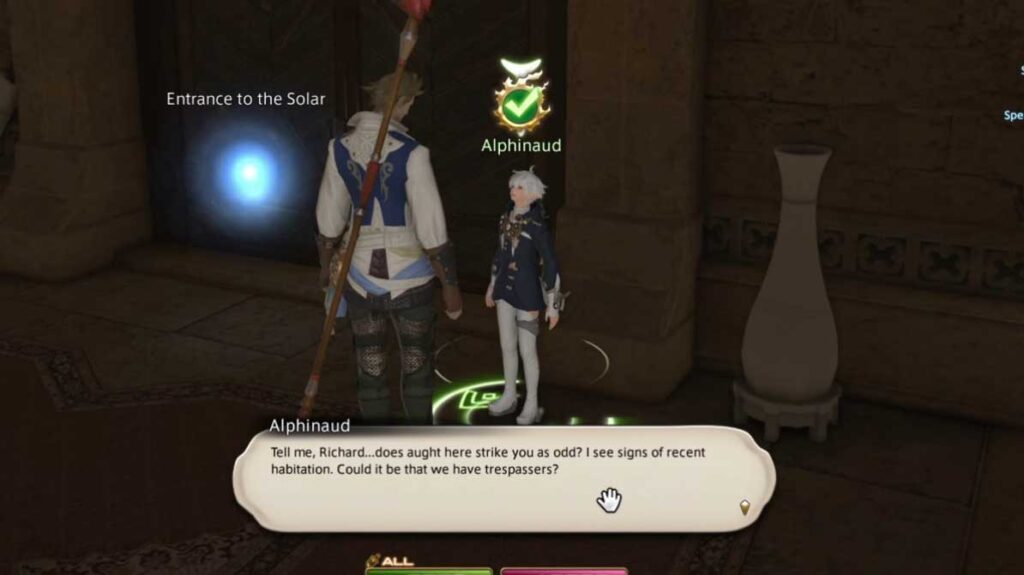
Image from Vallun on YouTube
Final Fantasy XIV stands out as one of the best games to make friends online for a simple reason: you cannot progress through the story alone. Dungeons require four players working together, and raids need eight. This forced cooperation means you’re constantly meeting people and learning to communicate.
The community culture here is famously positive. Players actively help newcomers, and the Free Company system (FFXIV’s version of guilds) creates stable social groups with shared housing and activities. You’ll find people organizing everything from savage raid nights to casual roleplay events.
Best for: People who like structured social systems and don’t mind a learning curve. If you want a game where friendships develop naturally through repeated group content, FFXIV delivers.
Destiny 2
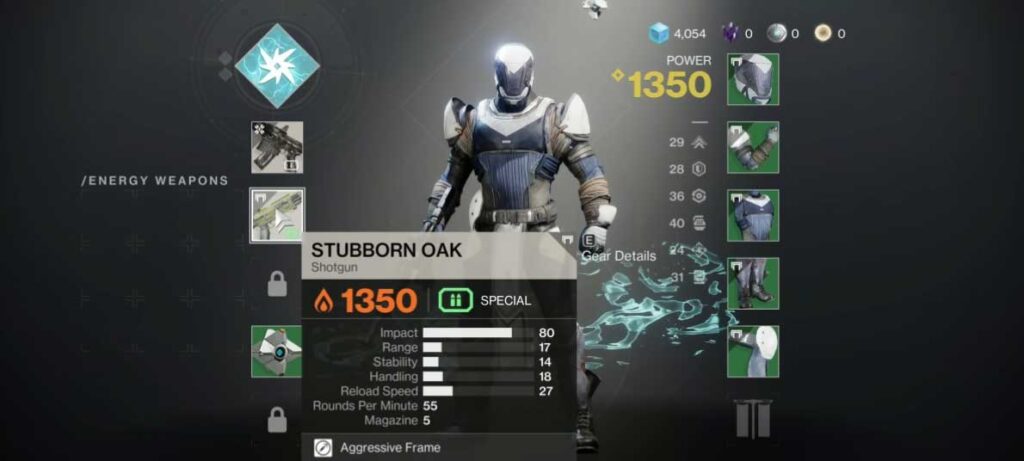
Image from Throneful on YouTube
Destiny 2 combines first-person shooter action with MMO-style social systems. The game’s endgame content, particularly raids, requires six players communicating constantly. You can’t just muscle through with skill alone. Everyone needs to understand their role and execute perfectly.
The clan system gives players a home base and regular teammates. Weekly activities encourage you to play with the same group consistently, and that repetition builds real rapport. Many Destiny friendships extend beyond the game into other activities and even real-life meetups.
Best for: FPS fans who want regular gaming sessions with the same people. If you enjoy shooter mechanics but want more social depth than typical competitive games offer, Destiny 2 bridges that gap.
Guild Wars 2
Image from Waydot on YouTube
Guild Wars 2 takes a different approach to MMO social design. There’s no competition for resource nodes or quest objectives. When you see another player fighting a monster, you can jump in and help without “stealing” their kill or loot. This cooperative by default design encourages spontaneous teamwork with strangers.
World events and meta-event chains bring dozens of players together for large-scale battles. You’ll find yourself naturally falling into rhythm with other players, and the game’s LFG (looking for group) system makes it easy to find online friends to play games with for dungeons and fractals.
Best for: Casual players and non-competitive personalities. If PvP stress or gear treadmills turn you off, Guild Wars 2 offers a relaxed MMO experience where cooperation feels natural, not forced.
For Creative Collaborators: Building & Survival Games
Building and survival games create unique bonding experiences. Working together to survive, build, and thrive in harsh virtual environments generates the same camaraderie as camping trips or group projects, just with fewer mosquitoes.
Valheim
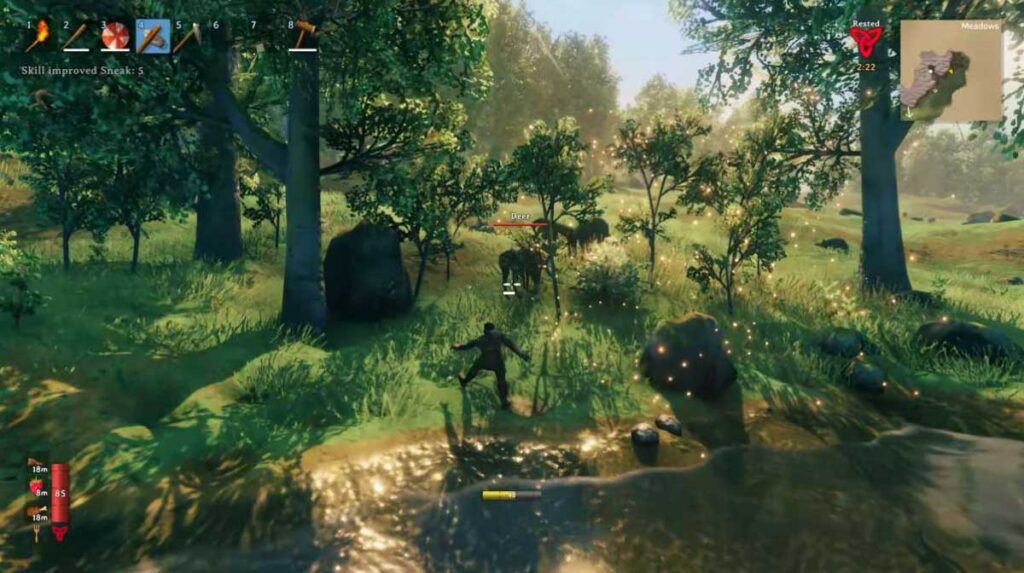
Image from Xaine’s World on YouTube
Valheim drops you and up to nine friends into a Viking purgatory where you need to survive, build, and eventually defeat mythical bosses. The game’s difficulty practically requires teamwork. Building a proper base, gathering resources across dangerous biomes, and taking down bosses works far better with a coordinated group.
Small server communities form naturally around shared goals. You’re not just playing together, you’re building a settlement, planning expeditions, and celebrating victories as a team. The slower pace and significant downtime during building or sailing create perfect opportunities for conversation.
Best for: People who like working toward shared goals and enjoy both the journey and the destination. If you want a game where you’re genuinely building something together, not just grinding for individual gear, Valheim excels.
Minecraft
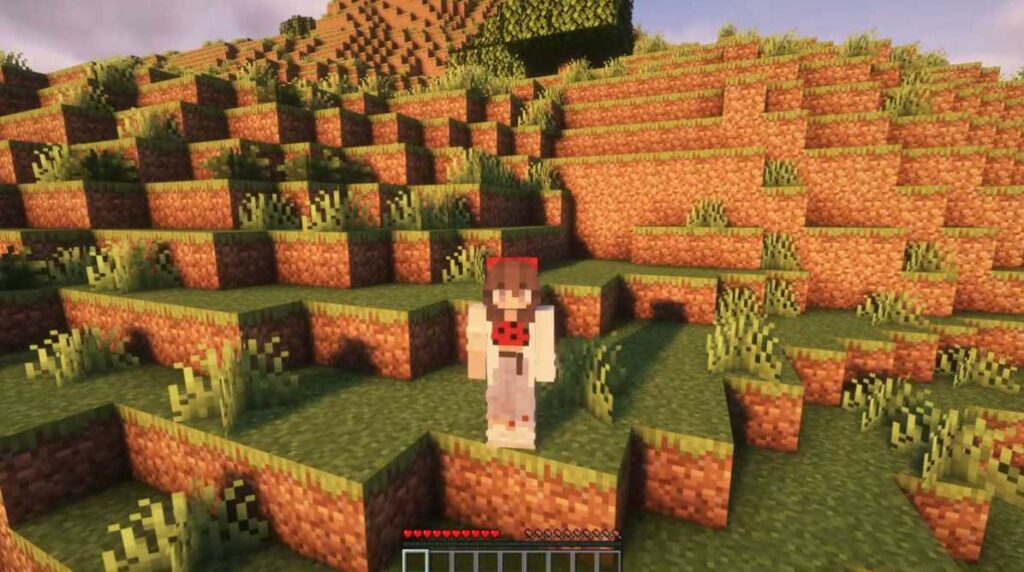
Image from Jitterybug on YouTube
Minecraft remains one of the most accessible online games to find friends across all age groups. The creative freedom means you can play however you want: build elaborate structures, survive together, create mini-games, or just hang out in a virtual space you’ve customized together.
Private servers create intimate communities. You’re not dealing with thousands of players or toxic public lobbies. It’s you and a small group of people working on projects together, sharing resources, and gradually turning a blank world into something uniquely yours.
Best for: All ages and creative types. The lack of forced objectives or win conditions makes Minecraft perfect for people who want a relaxed social space. You can find gamer friends online who share your specific building interests, from medieval castles to redstone computers.
For Social Hangout Seekers: Casual & Party Games
Not everyone wants high-stakes raids or complex survival mechanics. Sometimes you just want to hang out with people in a low-pressure environment. These games prioritize social interaction over challenge.
Animal Crossing: New Horizons
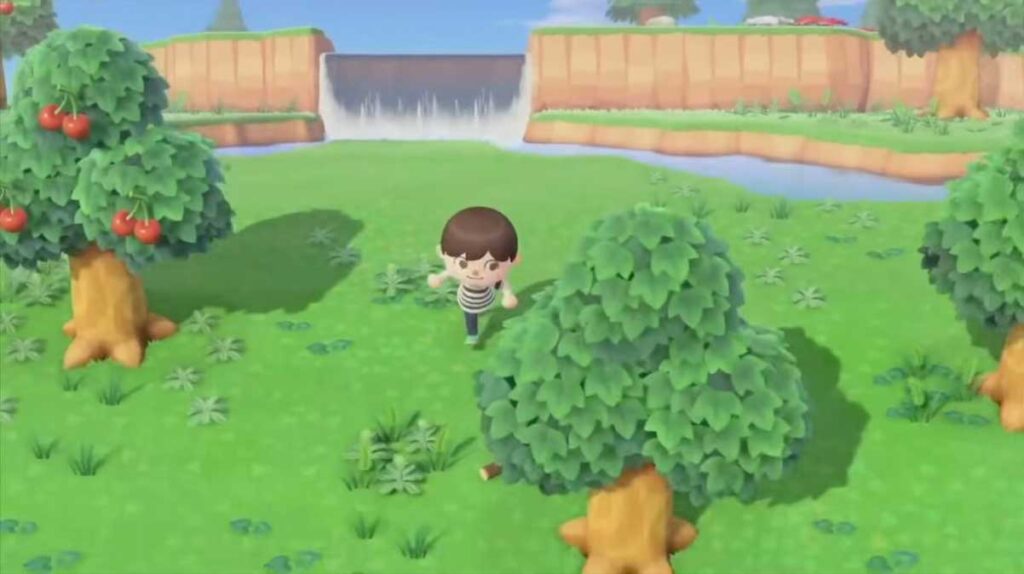
Image from Crossing Channel on YouTube
Animal Crossing became a cultural phenomenon during lockdown for good reason. The game offers zero competitive pressure. You can visit friends’ islands, trade items, share design codes, and just exist in the same space without any performance expectations.
The asynchronous nature works well for adults with unpredictable schedules. You can leave messages, send gifts through the mail, and maintain friendships even when you can’t play at the same time. When you do connect simultaneously, activities like fishing, bug catching, or just decorating together feel genuinely relaxing.
Best for: Introverts, cozy gamers, and anyone avoiding competitive stress. If the idea of voice chat during intense moments makes you anxious, Animal Crossing lets you connect at your own pace.
Among Us and Fall Guys
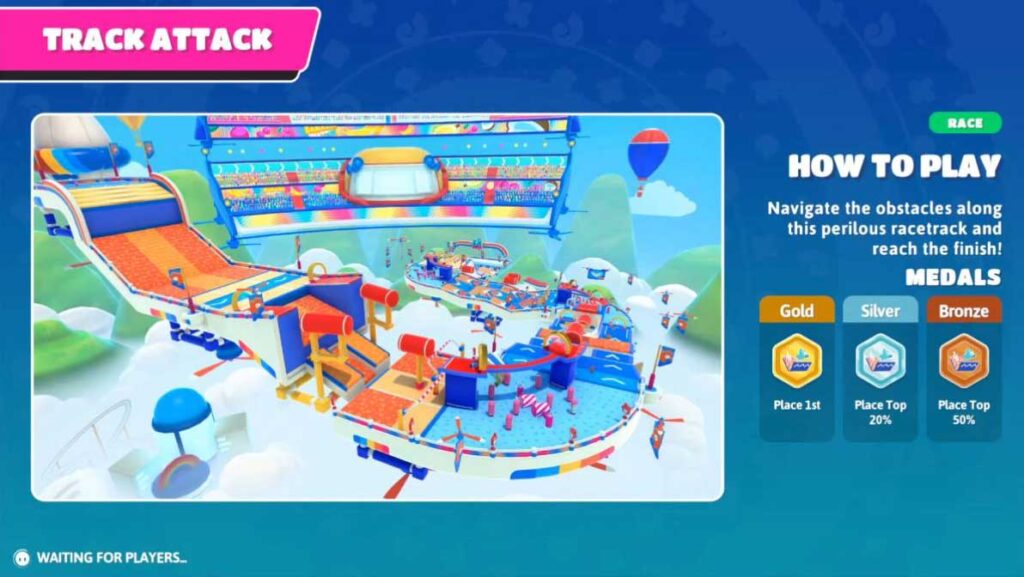
Image from YoshiTheFox on YouTube
These party games exploded in popularity because they’re genuinely fun with friends and hilariously chaotic with strangers who might become friends. Among Us turns every round into an improv comedy show where you’re either lying convincingly or trying to catch the liars. Fall Guys throws 60 players into obstacle course madness where failure is funny, not frustrating.
Quick rounds mean low commitment. You can play for 20 minutes or three hours. Voice chat naturally creates banter, inside jokes form quickly, and the game’s humor breaks down social barriers fast.
Best for: People with limited time who enjoy humor and don’t take losing seriously. These are the best games to make friends if you want to laugh more than you want to win.
For Deep Conversationalists: Slower-Paced Games
Some people form friendships best through long conversations, not adrenaline-pumping cooperation. These games provide the perfect backdrop for talking about life, interests, and everything beyond the game itself.
Stardew Valley (Co-op)
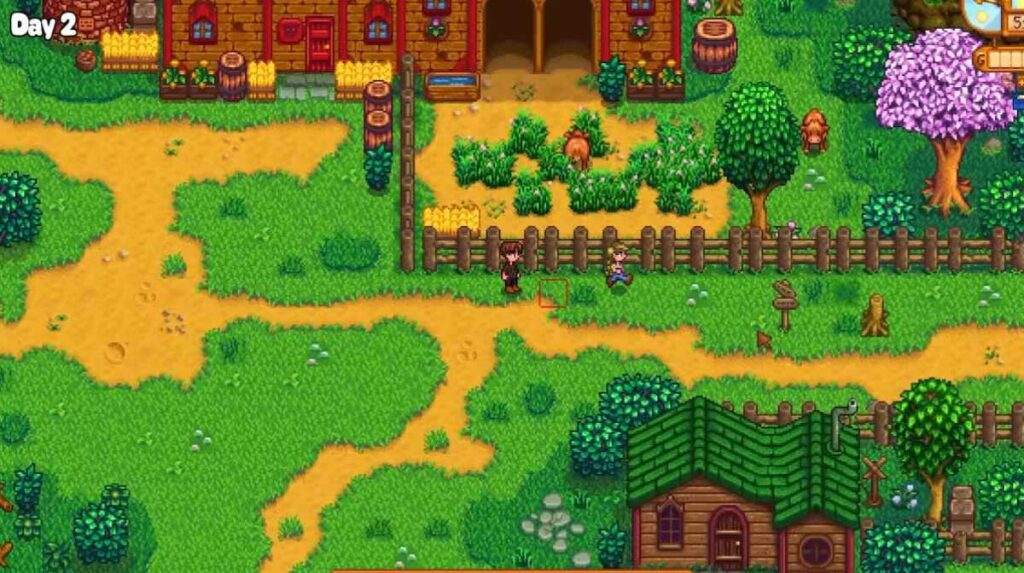
Image from Poxial on YouTube
Stardew Valley’s co-op mode lets up to four players share a farm. The gameplay loop involves planting crops, raising animals, exploring mines, and slowly building up your farm over in-game seasons. The relaxed pace and minimal pressure create an environment where conversation flows naturally.
You’re working toward shared goals, but there’s no timer creating stress. You can tend crops while chatting about your actual day, pause to discuss strategy, or just fish together while talking about nothing in particular. Many people report that some of their deepest gaming friendships formed while playing Stardew Valley because the game never demands so much attention that conversation becomes impossible.
Best for: People who want to talk while gaming. If you’ve struggled to make friends in online games because you can’t focus on intense action and conversation simultaneously, Stardew Valley solves that problem.
Tabletop Simulator
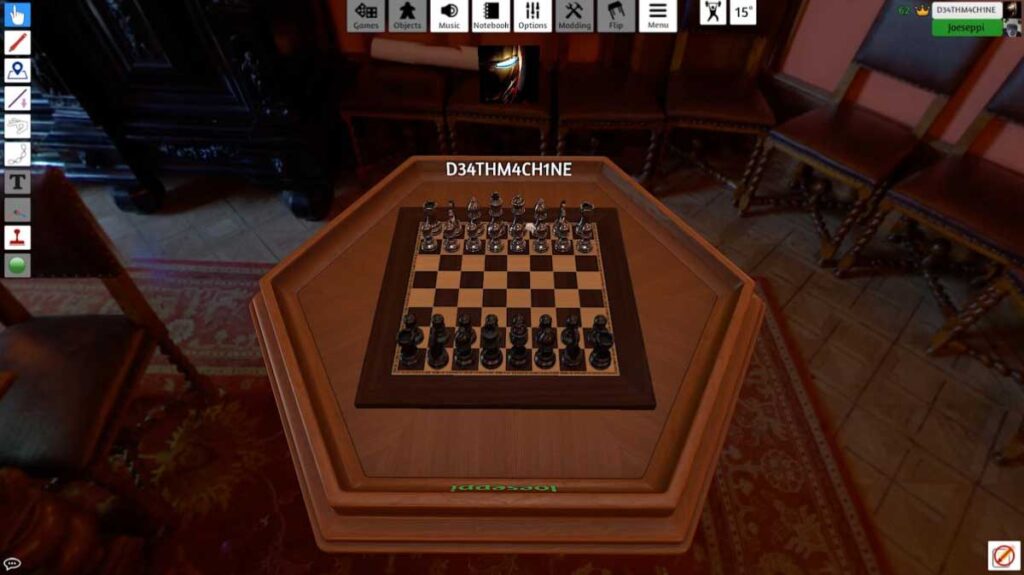
Image from Joeseppi on YouTube
Tabletop Simulator recreates the experience of board game nights in digital form. You and your friends (or friendly strangers) sit around a virtual table playing everything from classic games like Chess and Monopoly to complex modern board games like Gloomhaven or Wingspan.
The game sessions last hours, with natural breaks between turns and rounds. You’re not constantly reacting to threats or managing complex mechanics. You’re playing, talking, maybe having a drink, and enjoying the social ritual that made physical game nights special. The barrier to entry is low, and the nostalgia factor helps conversations flow.
Best for: Board game fans and people who miss in-person game nights. This is one of the best online games to find friends who appreciate slower, more thoughtful gaming experiences.
For Community Immersion: Social VR & Sandbox Games
These games blur the line between game and social platform. You’re not just playing together, you’re existing in shared virtual spaces where the “game” is secondary to the social experience.
VRChat
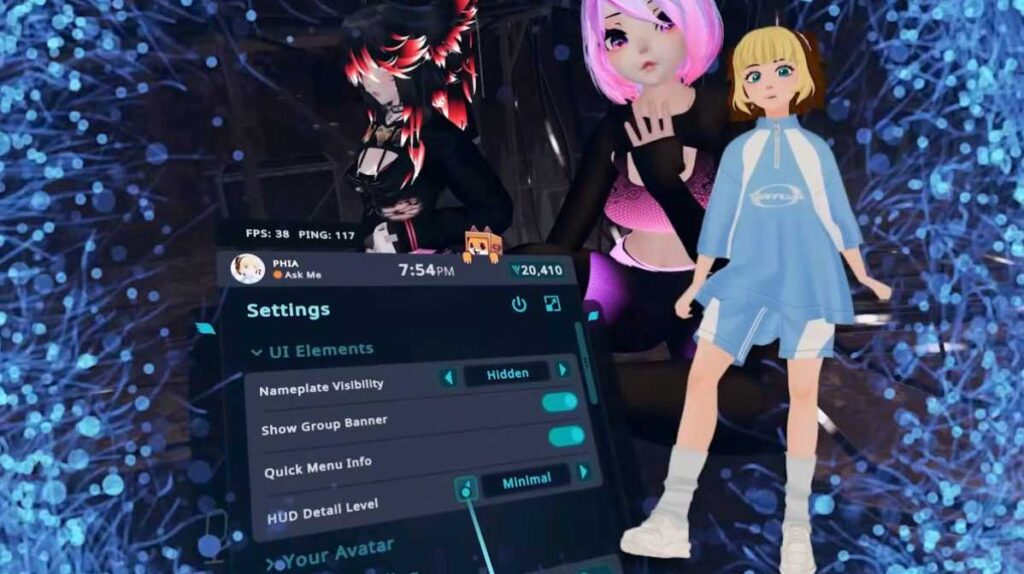
Image from The Virtual Reality Show on YouTube
VRChat isn’t really a game in the traditional sense. It’s a social VR platform where people hang out in virtual worlds, attend events, perform comedy shows, or just talk. The avatar system lets people express themselves creatively, from anime characters to elaborate custom models.
Communities form around specific interests, event types, or just friend groups who meet regularly. The immersive nature of VR makes interactions feel surprisingly real. You’re not just hearing someone’s voice, you’re seeing their avatar’s body language and gestures. That extra layer of presence creates stronger connections faster than traditional games.
Best for: Tech-comfortable players, performers, and creative types. If you want to make gamer friends in an environment that feels more like a virtual hangout space than a competitive game, VRChat offers something unique.
Rust
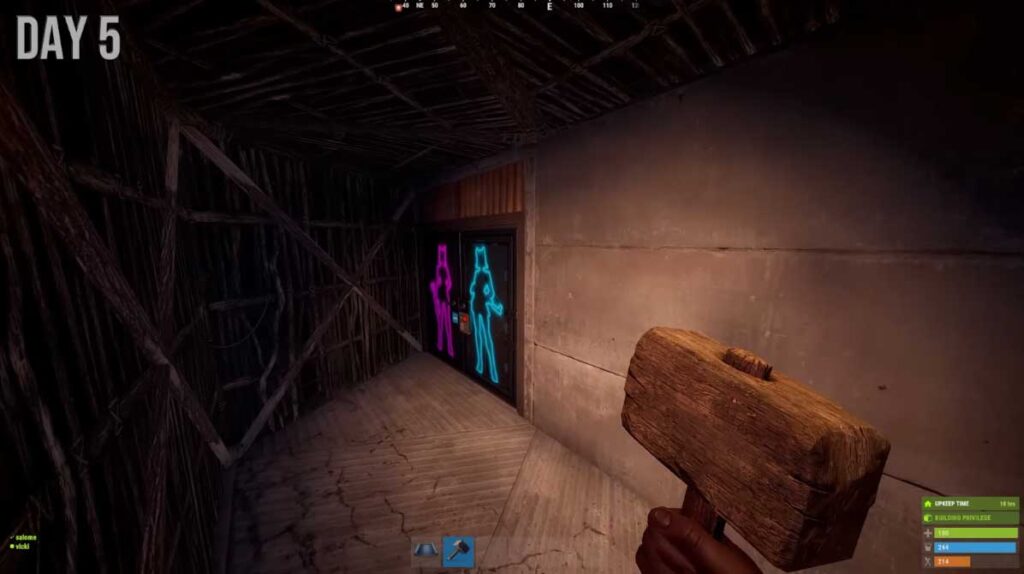
Image from JTeles on YouTube
Rust is controversial for good reason. It’s brutal, unforgiving, and full of players who will kill you and take everything you own. But that harsh environment creates incredibly tight bonds within groups. When your survival depends on your teammates watching your back, friendships form fast and run deep.
Clans in Rust function almost like gaming families. You’re building bases together, defending against raids, organizing resource gathering, and supporting each other through constant setbacks. The high-stakes nature means you learn quickly who you can trust and who has your back when things get rough.
Best for: Competitive players who bond through challenge and adversity. If you want friendships forged through shared struggle rather than casual fun, Rust creates that intensity. Just know what you’re signing up for because the learning curve is steep and the community can be harsh.
You’re right. Let me fix those forced keyword insertions:
How to Actually Turn Gaming Buddies Into Real Friends
Rachel had been running the same weekly raid in Final Fantasy XIV for three months. Same seven people every Tuesday night. They cleared content efficiently, barely wiped anymore, and everyone knew their roles perfectly.
But when the raid tier ended and the group disbanded, she realized something uncomfortable: she didn’t know any of their real names. One person mentioned they lived in Canada. Another joked about their cat once. That was it.
They’d spent dozens of hours together in voice chat, but somehow never crossed the line from teammates to actual friends.
Knowing the best games to make friends is only half the equation. The other half is knowing what to actually do once you find people you click with. Gaming together repeatedly doesn’t automatically create friendship. It creates familiarity, which is a start, but you need intentional steps to turn those gaming sessions into something that lasts beyond the current expansion or season.
Show Up Consistently
Friendship requires repetition. You can’t play with someone once, have a great time, and expect a real connection to form. The brain needs multiple positive interactions with the same person before trust and genuine liking develop.
Schedule regular sessions if possible. “Same time next week?” is one of the most friendship-building questions you can ask after a good gaming session. It signals you enjoyed playing together and want to do it again. Most people won’t initiate that, so being the one who suggests it makes you memorable.
Be reliable when you commit to showing up. Real life happens, and people understand occasional cancellations, but if you’re constantly bailing or showing up an hour late, people stop counting on you. Gaming friendships need the same reliability as any other friendship.
When your raid team knows you’ll be there Tuesday at 8 PM, you become part of their routine. That consistency builds real bonds.
Use Voice Chat When You’re Ready
Text chat works fine for basic coordination and quick jokes. But voice communication accelerates friendship building dramatically. You hear tone, catch sarcasm, laugh at the same moment something funny happens, and react in real time to wins and disasters.
Voice reveals personality in ways that text simply can’t. Someone might seem quiet or serious in text chat, then you hear them in voice, and they’re making everyone laugh with running commentary. Or you realize the person who types in all caps isn’t angry, they’re just enthusiastic, and their voice is full of genuine excitement.
Start with text if voice chat feels intimidating. Nobody should feel pressured to unmute before they’re comfortable. But when you are ready, even just listening and occasionally commenting helps.
Share Beyond the Game
Real friendships include context about each other’s lives beyond the immediate activity you’re doing together. During natural downtime moments in games, ask how someone’s day went. Mention if you had a rough work meeting or if something funny happened.
These small personal shares signal that you see the person behind the username.
Between gaming sessions, stay lightly connected. Share a funny gaming meme in Discord that reminds you of last night’s raid wipe. Send a Steam recommendation when you find a game they might like based on what they’ve mentioned enjoying.
Comment on something they posted in the server. These small touches keep the connection active even when you’re not actively playing together.
Take It Outside the Game
Friendships that only exist during scheduled game sessions have a shelf life. Eventually someone gets busy, the game gets boring, or the group falls apart. Friendships that extend beyond a single game context survive those transitions.
Watch a gaming stream or esports tournament together. Many games have competitive scenes with major events, and watching together while commenting in Discord creates shared experiences without requiring active gameplay.
Share Steam recommendations back and forth. Join their Discord server or gaming community even if you don’t play every game they’re into. Show interest in their other gaming activities.
Keep it gaming-adjacent at first. You don’t need to immediately start sharing Instagram accounts or planning to meet up in person. That might happen eventually, but the first step outside the game should still connect to your shared gaming interests. It’s less pressure and feels more natural.
Respect Boundaries
Not everyone wants or needs deep friendships from gaming. Some people genuinely just want reliable teammates for specific content and prefer keeping things surface level. That’s completely valid, and pushing for more connection than someone wants will make things awkward fast.
Read social cues. If someone consistently keeps conversation focused on game strategy and doesn’t share personal details even when others do, they’re probably signaling their preferred boundary.
If they never engage in Discord between sessions despite being active in the game, they might prefer compartmentalizing their gaming time.
Common Mistakes That Kill Gaming Friendships
Being too intense too quickly scares people off. If you meet someone in a random dungeon and immediately ask for their Discord, suggest daily gaming sessions, and start messaging constantly, most people will politely disappear. Let connection develop gradually.
Only reaching out when you need something for the game signals that the person is a tool, not a friend. If you only message your “gaming friend” when you need a healer for your mythic run or want help with a difficult boss, they’ll notice the pattern. Check in sometimes just to chat or see how they’re doing.
Gatekeeping or being elitist about skill level creates distance instead of connection. Laughing at someone for not knowing a mechanic, getting frustrated when they make mistakes, or constantly comparing their performance to better players makes them feel judged.
People want to game with friends who make them feel good, not inadequate.
Assuming everyone games the same way you do causes friction. Some people treat gaming as a serious hobby, aiming to optimize and improve. Others use it for relaxation and don’t care about efficiency.
Neither approach is wrong, but friendships work best when expectations align or when people communicate clearly about their different approaches.
Beyond the Game: Tools & Platforms to Stay Connected
Once you’ve found people you enjoy gaming with, you need ways to stay connected between sessions. The games themselves provide the initial meeting place, but maintaining those friendships requires communication tools that work when you’re not actively playing together.
Finding Your Gaming Community
The right platform can make the difference between gaming acquaintances who fade away after a few sessions and actual friends who stick around for years. Here’s where to look when you want to find online friends to play games with beyond random matchmaking.
Subreddits for Gamer Connection
Reddit hosts dozens of communities specifically built for gamers looking to connect. r/GamerPals is the largest general community where people post looking for gaming friends, specifying their platform, timezone, games, and what kind of player they’re looking for. You’ll find everything from casual mobile gamers to competitive PC players.
Game-specific subreddits often have dedicated LFG (looking for group) threads or Discord links in their sidebars. r/DestinyTheGame, r/FFXIV, and r/MonsterHunter all have active communities where people regularly form groups and clans. These game-specific spaces work well because everyone already shares at least one common interest, and the culture of each subreddit reflects the game’s community vibe.
The key with Reddit is being specific in your posts. “Looking for chill people to play with” gets ignored. “PC player, EST timezone, looking for a consistent Valheim group that plays weeknights around 9 PM, I’m 30s and prefer voice chat” gets responses from people who actually match what you’re looking for.
Dedicated Platforms Built for Gamer Matching
If you’re specifically looking to connect with gamers for friendship or co-op partnerships, platforms like Gamily help you match based on gaming preferences, platforms, and play styles.
Instead of hoping to meet someone compatible in a random lobby, you can filter by the games you love, your schedule, and the type of connection you’re looking for.
These dedicated platforms solve a real problem. Traditional dating apps don’t understand gaming culture, and most gaming communities assume everyone wants competitive play or already has a full friends list.
But many gamers are specifically looking for people who share their gaming interests for either friendship or something more. Having a space designed for that specific need removes a lot of the guesswork and awkwardness.
The matching approach means you’re connecting with people who’ve already indicated interest in the same games and play styles you enjoy. You skip the frustrating part where you meet someone in a game, add them, and then discover they only play at 3 AM or take every match way too seriously when you just want to relax.
Download Gamily to start finding your actual gaming squad.
FAQs
Below are some of the questions gamers usually ask when they search for online games to make friends:
1. Can introverts make friends through online gaming?
Yes, online games are actually ideal for introverts. Gaming removes the pressure of face-to-face interaction while giving you something to focus on besides conversation. You can start with text chat, unmute when comfortable, and let friendships develop naturally around shared gameplay.
2. How long does it take to make real friends in online games?
Expect at least 4-6 weeks of regular play sessions before gaming acquaintances become actual friends. Research shows repeated exposure builds trust and familiarity gradually. The timeline varies based on how often you play together and how much you share beyond game strategy. Some gaming friendships click immediately, while others take months to develop depth.
3. Are online gaming friendships as real as in-person friendships?
Absolutely. Online gaming friendships involve the same emotional investment, shared experiences, and genuine care as in-person relationships. You’re solving problems together, celebrating wins, and supporting each other through losses. The medium is different, but the connection is real.
4. What should I say when first messaging someone in a game?
Keep it simple and game-focused. Comment on something specific from your session like “That dungeon run was smooth, want to group up again sometime?” or mention a shared interest you noticed in their profile.
5. Can you make friends in competitive games like League of Legends or Valorant?
Yes, but it’s harder than in cooperative games. Competitive games create stress that can bring out toxicity, making genuine connection difficult. Your best bet is finding or creating a consistent team that values communication and improvement over just winning.
6. What’s the best age to start making friends through online games?
There’s no wrong age to make friends through gaming. Adults in their 20s and 30s represent the largest demographic actively seeking gaming friendships, but people connect at every age, from teens to retirees. The key is finding age-appropriate games and communities.
7. How do I transition from gaming friends to real-life meetups safely?
Move slowly and prioritize safety. Start by video chatting during gaming sessions so you can see each other’s faces. Meet in public places for the first time, tell someone where you’re going, and consider group meetups instead of one-on-one initially. Many gaming communities organize safe group events at conventions or local gaming cafes, which provide natural first meeting opportunities.
8. Do I need a gaming PC to make friends online, or can I use consoles?
You can absolutely make friends gaming on any platform. Consoles like PlayStation, Xbox, and Nintendo Switch all have strong social features and communities.
Some games to make friends, like Final Fantasy XIV and Destiny 2, work across multiple platforms. Choose based on your budget and preferred games. The platform matters less than picking games designed for social connection.
9. What should I do if my gaming friend stops playing our shared game?
Suggest trying a new game together that interests both of you, or shift to non-gaming activities like watching streams or chatting in Discord. Real gaming friendships survive beyond single games.
If they’re genuinely busy or have lost interest in gaming entirely, respect that while staying loosely connected. Check in occasionally without pressure. Strong friendships adapt to changing interests naturally.