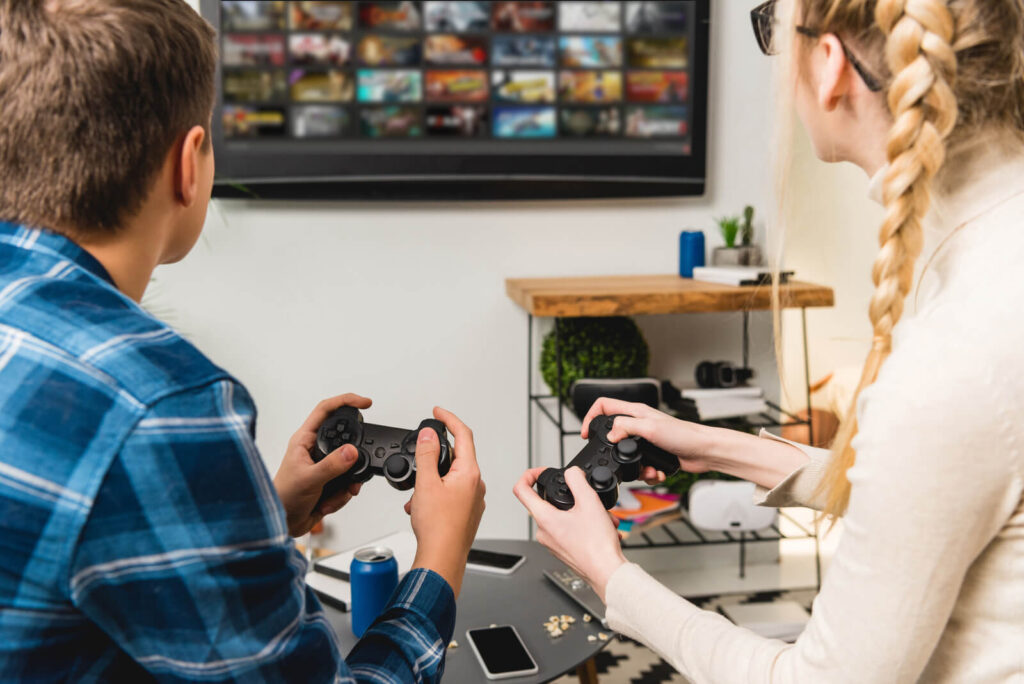
You finally convince your college roommate to try the game you have been playing for two years. The first match goes terribly. You dominate without trying while they struggle to understand basic controls. By the third match, they are frustrated and you are bored. A week later, they have not logged in again.
Or maybe you are on the other side. Your friends have hundreds of hours in a game you just started. They say they will take it easy, but “taking it easy” still means you spend most of the match dead or confused. The skill gap makes every session feel like a chore rather than fun time together.
This problem ruins more gaming friendships than toxicity or schedule conflicts. When one person is significantly better or worse than the others, someone always ends up having a bad time. The better player gets bored carrying. The weaker player feels like a burden. Eventually, people stop suggesting sessions altogether. If you want to find gaming friends who match your skill level, understanding this dynamic helps you build more sustainable connections.
Key Takeaways
Here’s a brief overview of the following article:
- Why Skill Gaps Create Tension: Competitive games amplify skill differences by design. The better player cannot fully engage while holding back, and the weaker player cannot improve while getting stomped. Both people end up frustrated for different reasons.
- Games That Handle Mixed Skills Well: Cooperative games, asymmetric designs, and titles with rubber-banding mechanics let players at different levels enjoy sessions together. Some games are simply better suited for mixed-skill groups than others.
- How to Bridge the Gap Without Condescension: Teaching friends requires patience, clear communication, and knowing when to offer guidance versus when to let them figure things out. Good coaching strengthens friendships while bad coaching destroys them.
- When to Accept Different Games for Different Friends: Not every friendship needs to share every game. Sometimes the healthiest choice is playing certain titles with skill-matched friends and enjoying other activities with everyone else.
Download Gamily to match with players at your skill level.
Why Skill Gaps Feel So Frustrating
The frustration from skill gaps is not about ego or impatience. The structure of most competitive games makes mixed-skill play genuinely unfun for everyone involved.
Competitive games create engagement through challenge. When you face opponents near your skill level, you enter a flow state where the difficulty matches your ability. Wins feel earned. Losses feel like learning opportunities. The game becomes compelling because outcomes remain uncertain.
Skill gaps break this engagement for both players. The better player faces no real challenge. Holding back feels artificial and unsatisfying. Going all out feels cruel. Neither option produces the engaged state that makes gaming enjoyable. Meanwhile, the weaker player faces challenges far beyond their current ability. They cannot learn effectively because the gap is too wide. They feel helpless rather than challenged.
Holiday gaming sessions often expose these dynamics. You reconnect with family or old friends who play casually while you have invested serious time into improving. The games that bring you joy during normal weeks become frustrating when played with people at vastly different levels. This timing makes January a common moment for gamers to confront how skill gaps affect their relationships.
The problem compounds over time. The better player keeps improving through regular practice. The casual player stays at the same level or improves slowly. Unless both people actively address the gap, it widens until playing together becomes pointless.
Games That Work for Mixed-Skill Groups
Some games handle skill differences better than others. Choosing the right titles for mixed-skill sessions prevents much of the frustration before it starts.
Cooperative games shift the dynamic entirely. Instead of competing against each other, you work together against the game itself. The better player can contribute more without making the weaker player feel bad. Deep Rock Galactic, Stardew Valley, and Monster Hunter let experienced players carry some weight while newer players contribute what they can. Everyone participates meaningfully even if contribution levels differ.
Asymmetric designs give different roles to different skill levels. In It Takes Two or similar co-op games, both players face challenges suited to their position rather than competing directly. The better player might handle more mechanically demanding sections while the other player manages puzzles or exploration. Both people feel essential to success.
Party games with randomness level the playing field. Mario Kart’s item system lets weaker players stay competitive through blue shells and stars. Mario Party distributes advantages somewhat randomly. These mechanics frustrate hardcore players in competitive contexts but serve mixed-skill groups perfectly. The randomness creates moments where anyone can win regardless of raw skill.
Games with adjustable difficulty let groups find comfortable settings. Playing a co-op game on easier difficulty means the experienced player breezes through while the newer player can actually participate. This approach works better than the skilled player artificially handicapping themselves, which often feels patronizing to everyone.
Sandbox and creative games remove skill competition entirely. Minecraft, Terraria, and similar titles let players engage at whatever depth suits them. One person might build elaborate structures while another focuses on exploration. Different skill levels simply mean different activities rather than winners and losers.
How to Coach Without Ruining Friendships
Teaching friends to play better requires more social awareness than gaming skill. Bad coaching damages relationships even when the advice itself is correct.
Ask before offering guidance. Some people want to figure things out themselves. Others appreciate tips. Assuming everyone wants coaching leads to frustration. A simple question like “want me to explain that mechanic?” respects their autonomy while opening the door for help.
Explain concepts rather than giving orders. Telling someone “go left” teaches nothing. Explaining why going left makes sense in that situation helps them make better decisions independently. The goal is building their understanding, not controlling their actions.
Let them fail sometimes. Failure teaches more effectively than warnings. If you prevent every mistake through constant direction, they never develop their own judgment. Allow recoverable failures to happen. Save intervention for situations where failure would be genuinely unfun or end the session.
Celebrate their progress rather than your patience. Comments like “you’re getting better” land differently than “I’m glad I could help you improve.” Focus on their growth rather than your contribution to it. Nobody wants to feel like a project.
Know when to stop teaching and just play. Constant instruction exhausts everyone. Sometimes the better approach is playing together without commentary and letting skill develop naturally through experience. Not every session needs to be a lesson.
Recognize when the gap is too large for teaching. If someone is brand new to gaming entirely, competitive multiplayer might not be the right starting point. Consider whether single-player games or simpler titles might build foundational skills more effectively before attempting competitive play together.
When to Play Different Games With Different Friends
Not every friendship needs to share every game. Accepting this truth prevents much frustration.
Some skill gaps cannot be bridged enjoyably. If you have thousands of hours in a competitive game and your friend just started, the gap might be too wide for satisfying sessions together. Forcing it creates resentment on both sides.
Playing different games with different friends keeps relationships healthy. Your Valorant squad might be completely separate from your Stardew Valley group. Your fighting game practice partners might never overlap with your casual co-op friends. This separation is normal and healthy.
Find common ground outside your main competitive games. Maybe you cannot enjoy ranked matches together, but you can play the same game’s casual modes. Maybe competitive shooters do not work but cooperative survival games do. Most gaming friendships can find some titles that work for everyone even if the primary games differ.
Be honest about the situation. Pretending the skill gap does not exist helps nobody. A direct conversation acknowledging that certain games create frustration opens space for solutions. Maybe you play that game separately and find something else to enjoy together.
How Gamily Matches You With Compatible Skill Levels
Random matchmaking and generic LFG posts rarely account for skill level compatibility. You end up in groups where the gap creates the same frustrations described throughout this article.
Gamily profiles include information about how you approach different games. You can indicate whether you play competitively or casually, whether you are new to a game or experienced, and what kind of sessions you enjoy. This information helps matches happen between players who will actually enjoy playing together.
The platform distinguishes between games where you try hard and games where you relax. Your Gamily profile might show that you take Apex Legends seriously but play Minecraft casually. Potential matches see this distinction and can connect based on shared approaches to specific titles.
Compatibility extends beyond just skill level. Schedule alignment, communication preferences, and playstyle all factor into whether gaming sessions feel enjoyable. Someone at your exact skill level might still be a poor match if they play at different times or prefer voice chat when you like typing. Gamily considers these factors together rather than optimizing for any single dimension.
Finding the best multiplayer games to make friends becomes easier when you start with compatible players. The games themselves matter less than the people you play them with.
Download Gamily and find gaming friends who match your level.
FAQs for Gaming With Friends at Different Skill Levels
Here are some frequently asked questions about handling skill gaps in gaming friendships.
How do I tell a friend they are too good or too bad to play with?
Frame the conversation around the experience rather than their skill. Something like “I think we’d both have more fun if we found games that work better for our different levels” focuses on mutual enjoyment rather than criticism. Most people already sense when skill gaps create problems.
Should better players intentionally lose to keep things fun?
Intentional losing usually backfires. It feels patronizing when discovered, and it prevents the better player from enjoying the game. Better solutions include switching to games where skill matters less, playing cooperative modes, or finding competitive matches against external opponents rather than each other.
Can skill gaps be closed over time?
Yes, but both players need to want this outcome. The weaker player needs motivation to practice and improve. The better player needs patience during the improvement period. If only one person cares about closing the gap, it probably will not happen.
What if my entire friend group plays at a higher level than me?
Consider whether you want to invest time improving to match them or find additional friends at your current level. Both approaches work. You might practice between group sessions to close the gap gradually, or you might play certain games with your skilled friends and others with players at your level.
Are some game genres worse for mixed-skill groups than others?
Fighting games and competitive shooters tend to expose skill gaps most harshly. Cooperative games, party games, and sandbox titles generally work better for mixed groups. Real-time strategy games fall somewhere in between depending on whether you play against each other or against AI opponents.
How do I improve faster to catch up with skilled friends?
Focused practice matters more than total hours. Watch guides, review your gameplay, and work on specific weaknesses rather than just playing matches repeatedly. Ask your skilled friends for targeted advice on what to improve. Deliberate practice closes gaps faster than grinding.
What if I am the better player and my friends do not want to improve?
Accept that they enjoy gaming differently than you do. Find competitive outlets with other players and enjoy casual time with these friends. Pressuring people to improve when they just want to relax breeds resentment. Different people want different things from gaming, and that is fine.